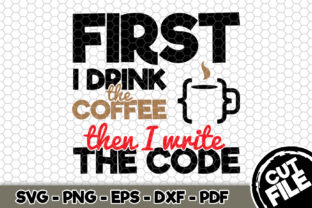
First I Drink the Coffee then I Code
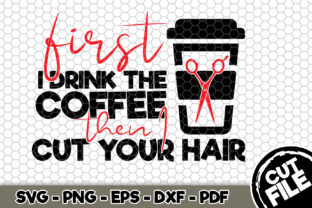
The design titled First I Drink the Coffee then I Code is a fun and recognizable quote that speaks to the heart of many creatives, especially those in tech or creative fields. As an embroidery designer with years of experience, I’ve seen countless designs come and go, but this one stands out for its simplicity, clarity, and relatability. It’s a machine embroidery design that feels like it was made for real-world use—whether for custom apparel, personalized gifts, or small business merchandise.
First Impressions: A Design That Speaks to Creativity
From the first glance, First I Drink the Coffee then I Code has a casual, confident vibe. The layout is clean, with a balance between text and visual elements that make it easy to read. The font choice is modern and slightly playful, which works well for a design that’s meant to be both functional and expressive. It’s not overly complicated, which makes it ideal for a wide range of embroidery projects.
This design fits naturally into the world of custom apparel, especially for t-shirts, sweatshirts, and tote bags. It also works well as an embroidered patch or a decorative element on baby items, aprons, or even kitchen towels. The theme is universally relatable, making it a great fit for handmade products, Etsy listings, and craft fair booths.
Real-World Embroidery Performance
When used in real-life embroidery situations, First I Drink the Coffee then I Code performs well across a variety of fabrics and project types. It’s particularly effective on medium-weight materials like cotton, canvas, or denim. However, there are some considerations to keep in mind depending on the project type and fabric choice.
For example, on thin or stretchy fabrics, the design may require additional stabilizer to prevent puckering or distortion. On dark fabrics, the thread color contrast is important—light-colored threads might not show up as well, so choosing a high-contrast color is key. For textured fabrics, the stitch density can affect how the design looks, so testing on scrap fabric before committing to a finished product is always a good idea.
The design also works well for commercial embroidery projects, such as branded merchandise for tech companies or creative studios. Its clean lines and straightforward layout make it easy to adapt for different sizes and placements. Whether you're creating a custom sweatshirt for a client or designing a printable mockup for an Etsy listing, First I Drink the Coffee then I Code offers flexibility and practicality.
Where to Use It Carefully
While First I Drink the Coffee then I Code is versatile, there are certain scenarios where it may need more attention. Small hoop sizes can be a challenge, especially if the design includes fine details or intricate lettering. In such cases, breaking the design into smaller sections or adjusting the hoop size may be necessary.
On curved surfaces like caps or hats, the design might require some adjustment to ensure it sits correctly without stretching or distorting. Similarly, on layered garments or products that will be washed frequently, checking the durability of the stitches is essential. Dense stitch areas may cause the fabric to feel stiff, so balancing stitch density with fabric comfort is important.
For baby items or delicate fabrics, using a lighter stitch density and proper stabilizer can help maintain the softness of the material while still achieving a clear, professional look.
Impact on Visual Appeal and Customer Perception
As an embroidery designer, I know that the visual appeal of a finished product can make or break a customer’s decision to purchase. First I Drink the Coffee then I Code has a strong visual presence that can elevate the value of any handmade product. Its clean design and recognizable message add a level of professionalism that appeals to both individual buyers and small business owners.
When used on custom apparel or personalized gifts, this design adds a touch of personality that resonates with the target audience. It’s a great way to create brand consistency, whether you’re running a craft business or selling digital embroidery files. The design also enhances giftability, making it a popular choice for holiday or wedding gifts.
From a buyer engagement perspective, First I Drink the Coffee then I Code is something that people can easily relate to. It’s a design that feels authentic, which helps build trust between the seller and the customer. This is especially important for Etsy sellers and handmade shop owners who rely on emotional connections to drive sales.
Practical Designer Notes
Before finalizing any project with First I Drink the Coffee then I Code, here are a few key steps I recommend:
- Test on scrap fabric: Always check how the design looks on the actual fabric you plan to use. This helps identify any issues with thread color, stitch density, or fabric compatibility.
- Review stitch density: Adjust the stitch density if needed to ensure the design looks clean and doesn’t overwhelm the fabric.
- Confirm hoop size: Make sure the design fits within your hoop size, especially if you’re working with larger or more complex versions.
- Inspect small details: Pay close attention to corners, curves, and lettering to ensure they look sharp and consistent.
- Use proper stabilizer: Stabilizer is crucial for maintaining the integrity of the design, especially on stretchy or delicate fabrics.
- Check licensing: If you plan to sell finished items or digital products, confirm the licensing terms to avoid any legal issues.
By taking these steps, you can ensure that First I Drink the Coffee then I Code translates well into a finished product that meets your standards and your customers’ expectations.
Conclusion: A Design That Works for Many
First I Drink the Coffee then I Code is more than just a simple quote—it’s a machine embroidery design that has real-world applications for a variety of projects. Whether you’re an experienced embroiderer or just starting out, this design offers a balance of style, functionality, and relatability that can enhance your craft business, handmade products, or personal projects.
With careful consideration and proper execution, this design can become a staple in your collection of embroidery files. It’s a great choice for anyone looking to add a touch of creativity and personality to their work, while also building trust and engagement with their audience.