Earth Quote, Make Every Day Earth Day
As a designer and embroidery product reviewer, I’ve seen my fair share of digital clip art files. But when I opened the ZIP file for Earth Quote, Make Every Day Earth Day, I was immediately struck by its clean, earthy aesthetic and the subtle message it carries. This design isn’t just about aesthetics—it’s about purpose. It’s a reminder that sustainability and creativity can go hand in hand.
The First Impression
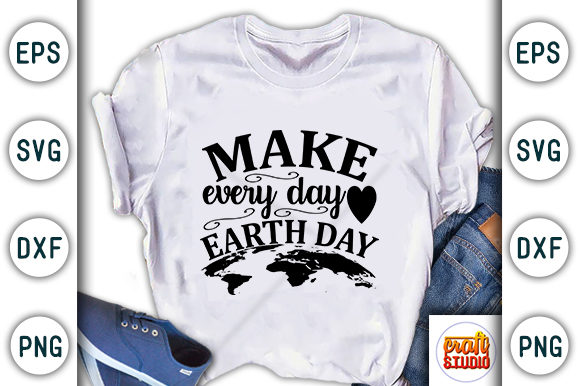
The Earth Quote design has a calm, natural vibe. The layout is simple yet effective, with a central earth motif surrounded by the phrase “Make Every Day Earth Day.” The shape is well-balanced, making it ideal for a variety of embroidery projects. It doesn’t scream for attention, but it commands respect through its thoughtful composition.
The detail level is moderate—enough to add visual interest without overwhelming the eye. The design uses a mix of satin stitch and fill stitch techniques, which gives it a polished look. It feels like something that would work well on both casual and more refined products.
Real-Life Embroidery Scenarios
Imagine you’re preparing a custom embroidered tote bag for a client who wants to promote eco-friendly living. Earth Quote would be a perfect fit. It’s versatile enough to work on cotton, canvas, or even lightweight denim. The design’s simplicity also makes it easy to scale up or down depending on the project size.
For a sweatshirt or t-shirt, this design would look great as a front piece. It’s not too busy, so it won’t clash with other elements. If you’re working on baby clothes, the soft, nature-inspired theme would be a hit with parents who love sustainable, handmade products.
This design also works well as an embroidered patch. It’s compact enough for a small hoop, and the details are clear enough to maintain their integrity when stitched onto a fabric patch. For aprons, pillow covers, or kitchen towels, the design adds a touch of personality without being over the top.
Where to Use Carefully
While Earth Quote is generally user-friendly, there are a few situations where caution is needed. On small hoop sizes, the design might feel cramped, especially if the lettering is tight. You’ll want to make sure your machine can handle the dimensions without stretching or distorting the design.
If you’re working with textured fabrics or thin, stretchy materials, the design may not sit as smoothly as you’d like. A good stabilizer is essential here. Also, on dark fabric, the design might not show up as clearly unless you use a contrasting thread color.
When stitching on curved surfaces like caps or hats, the design’s corners might get slightly distorted. It’s worth testing it on a scrap piece first to see how it translates. Similarly, if the design includes tiny lettering or dense stitch areas, you’ll need to check the stitch density to avoid puckering or thread breakage.
Impact on Visual Appeal and Value
Earth Quote adds a unique touch to any handmade product or personalized gift. Its clean lines and nature-themed message make it instantly recognizable. When stitched properly, it elevates the visual appeal of a project, giving it a professional and thoughtful look.
From a customer perspective, this design could be a strong selling point. People love items that carry a meaningful message, especially when they align with their values. Whether it’s a holiday embroidery project or a commercial embroidery order, Earth Quote offers a sense of authenticity and purpose.
As an Etsy seller or craft business owner, this design could help build brand consistency. It’s a great addition to a collection focused on sustainability, mindfulness, or environmental awareness. It also makes a great printable mockup for digital product previews.
Practical Designer Notes
Before using Earth Quote in a real project, I recommend testing it on a scrap piece of fabric. This will help you see how the stitch density looks and whether the thread colors contrast well with your chosen material.
Check the hoop size required for the design. If it’s larger than what you have, consider adjusting the scale or using a different hoop. Also, inspect the embroidery file for any hidden elements or layers that might affect the final result.
For commercial embroidery projects, make sure you understand the licensing terms before selling finished items or digital products. Even though the design is clean and professional, proper permissions are always important.
Finally, don’t forget to test the design in black and white mockups. Sometimes, the true impact of a design only becomes clear when it’s stripped of color. This can help you make better decisions about how to present it in your shop or portfolio.